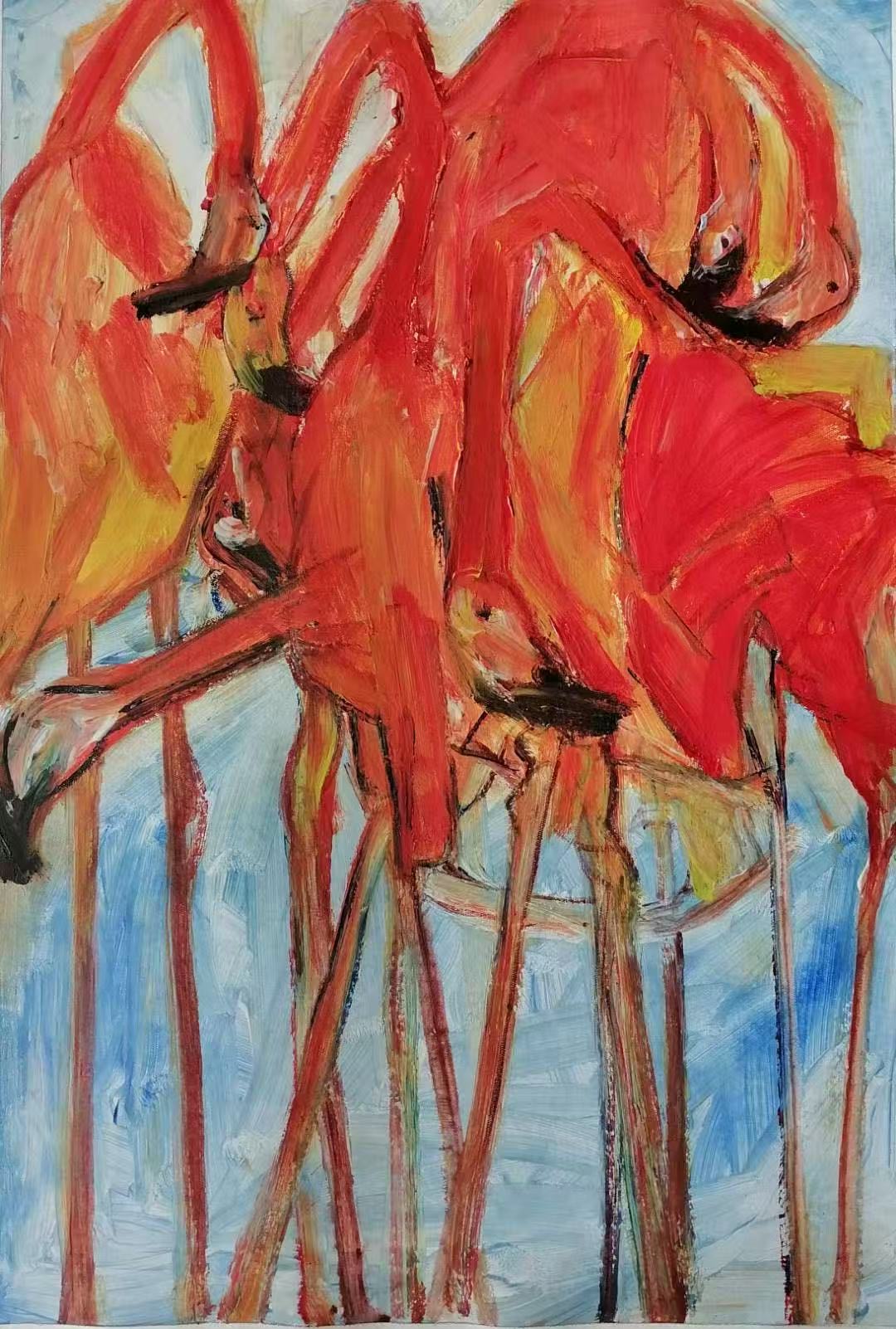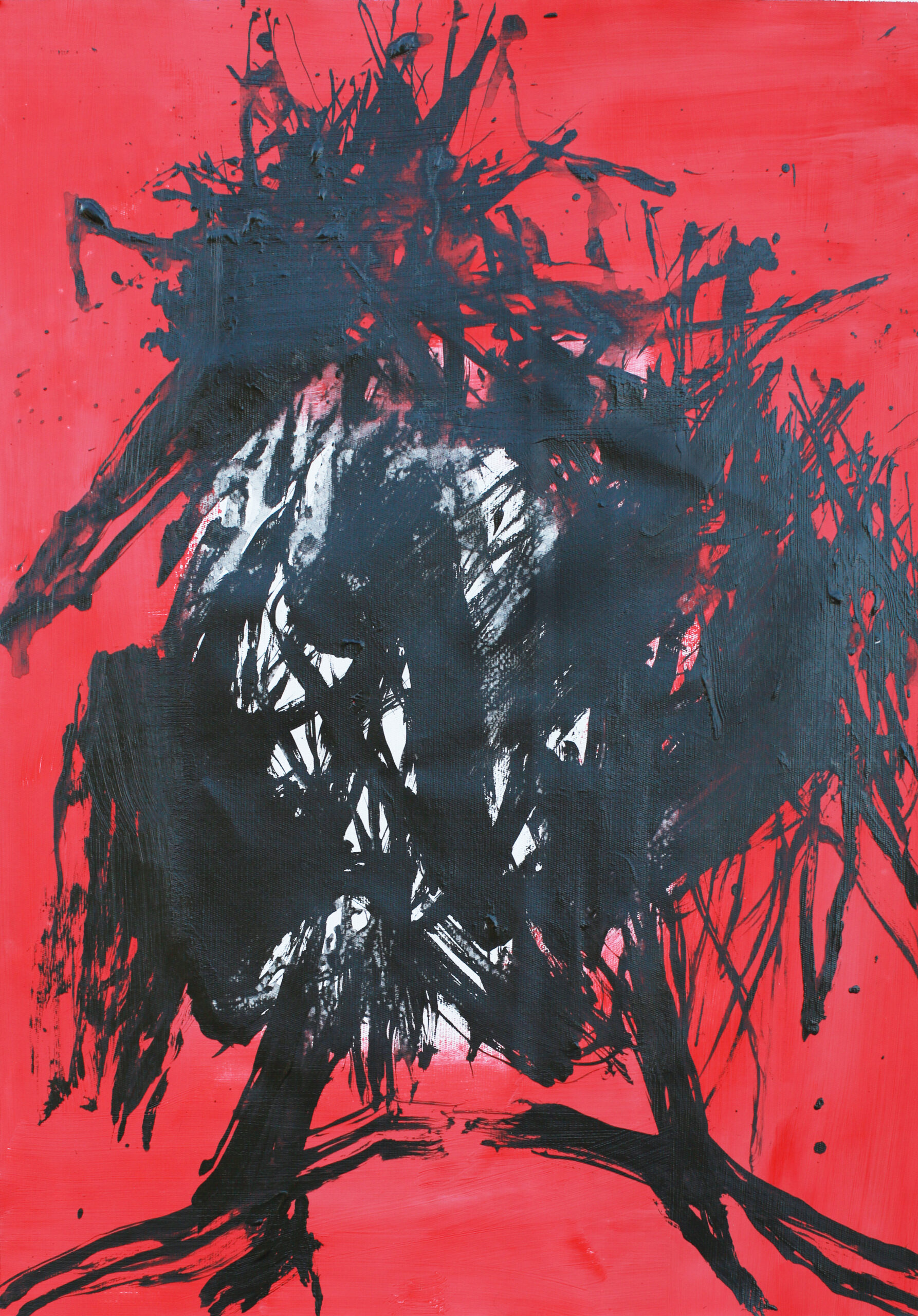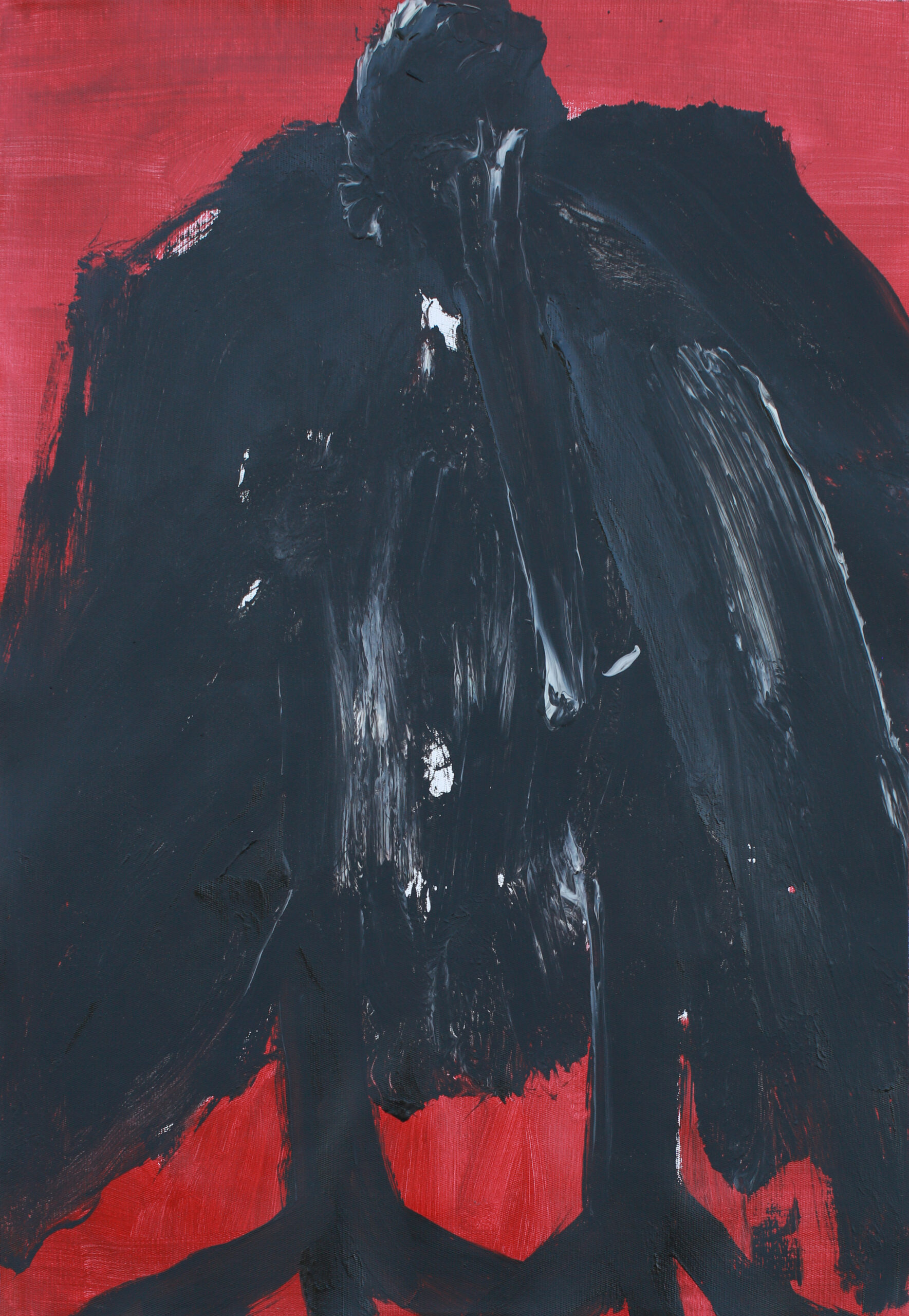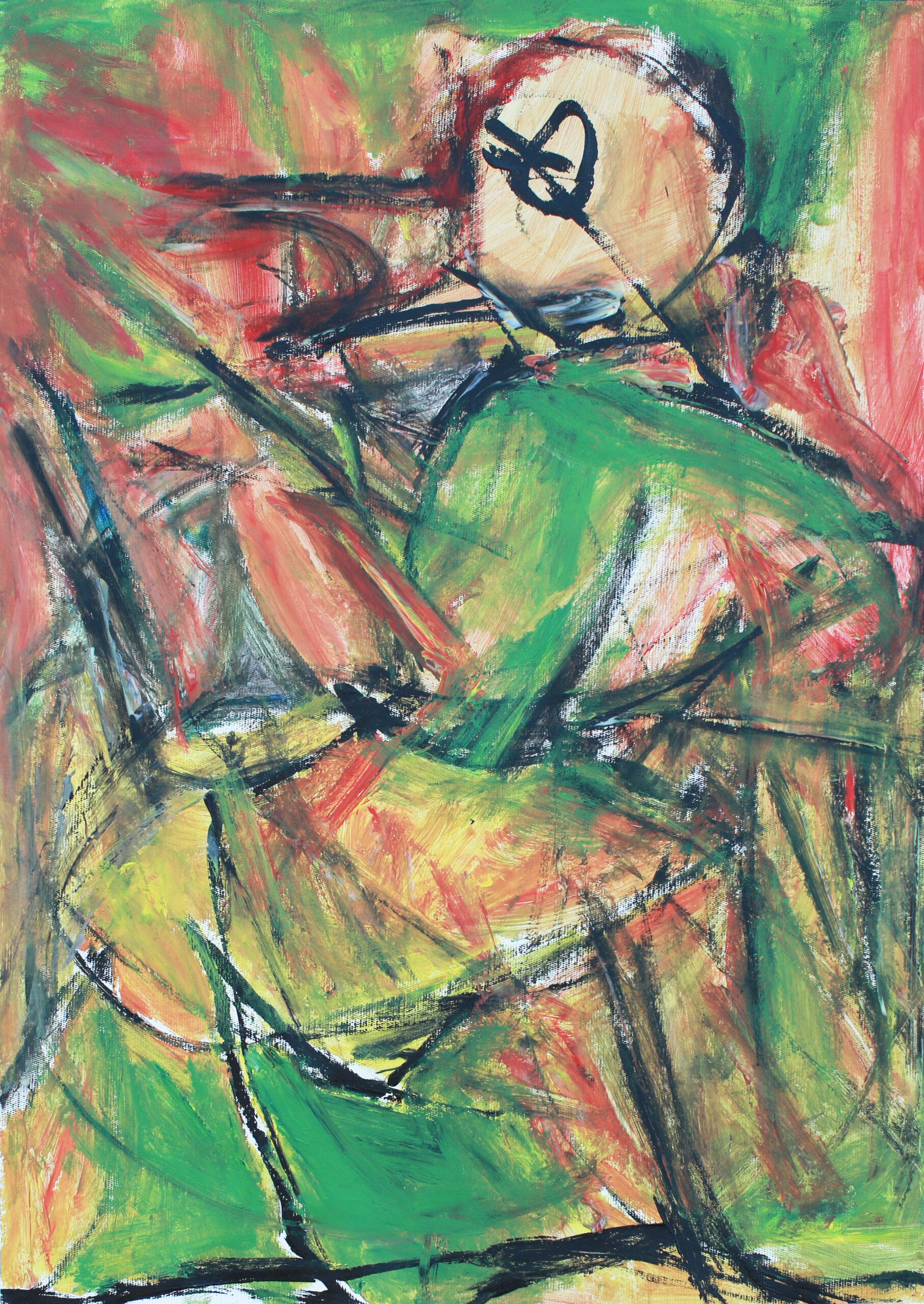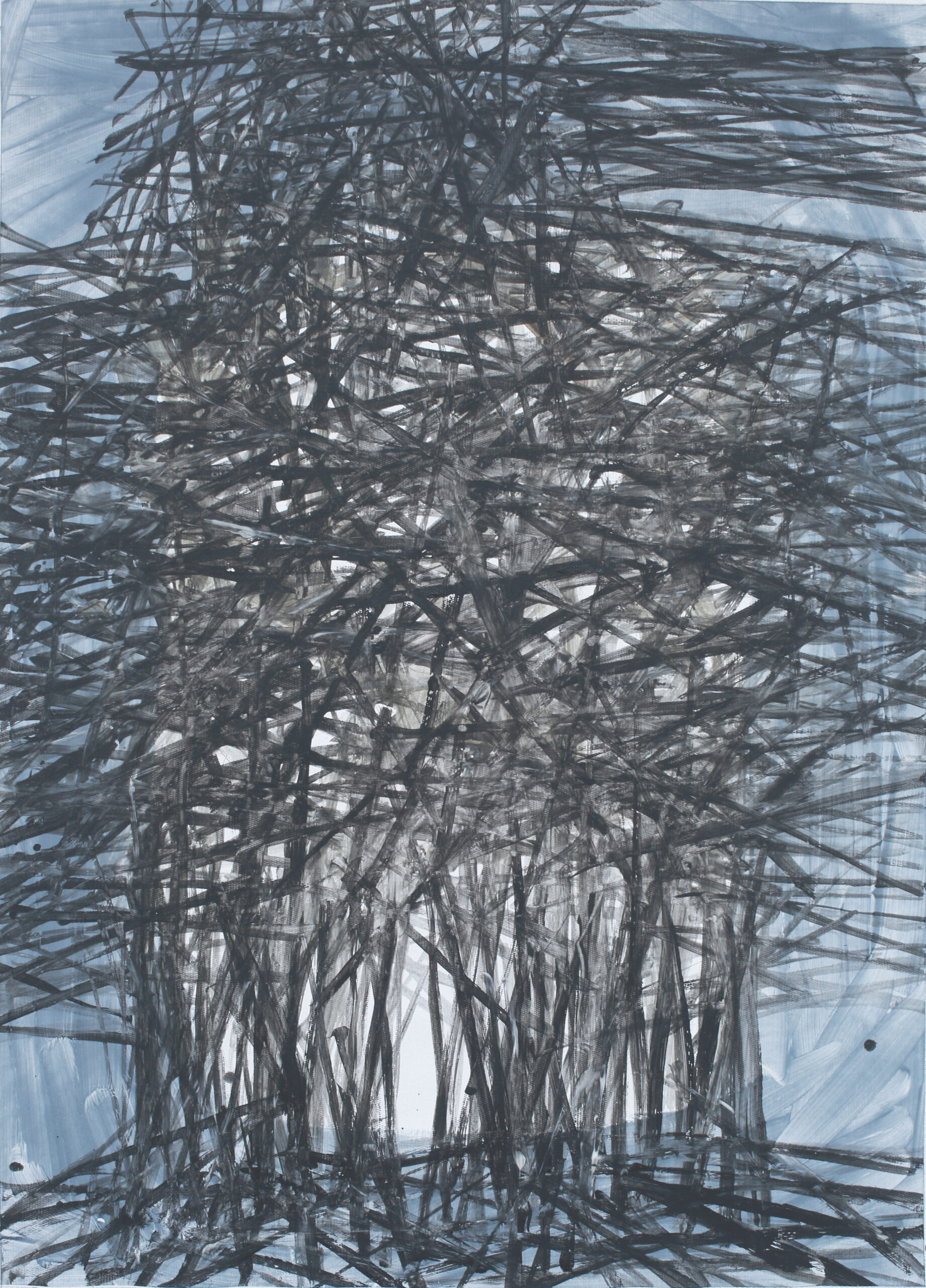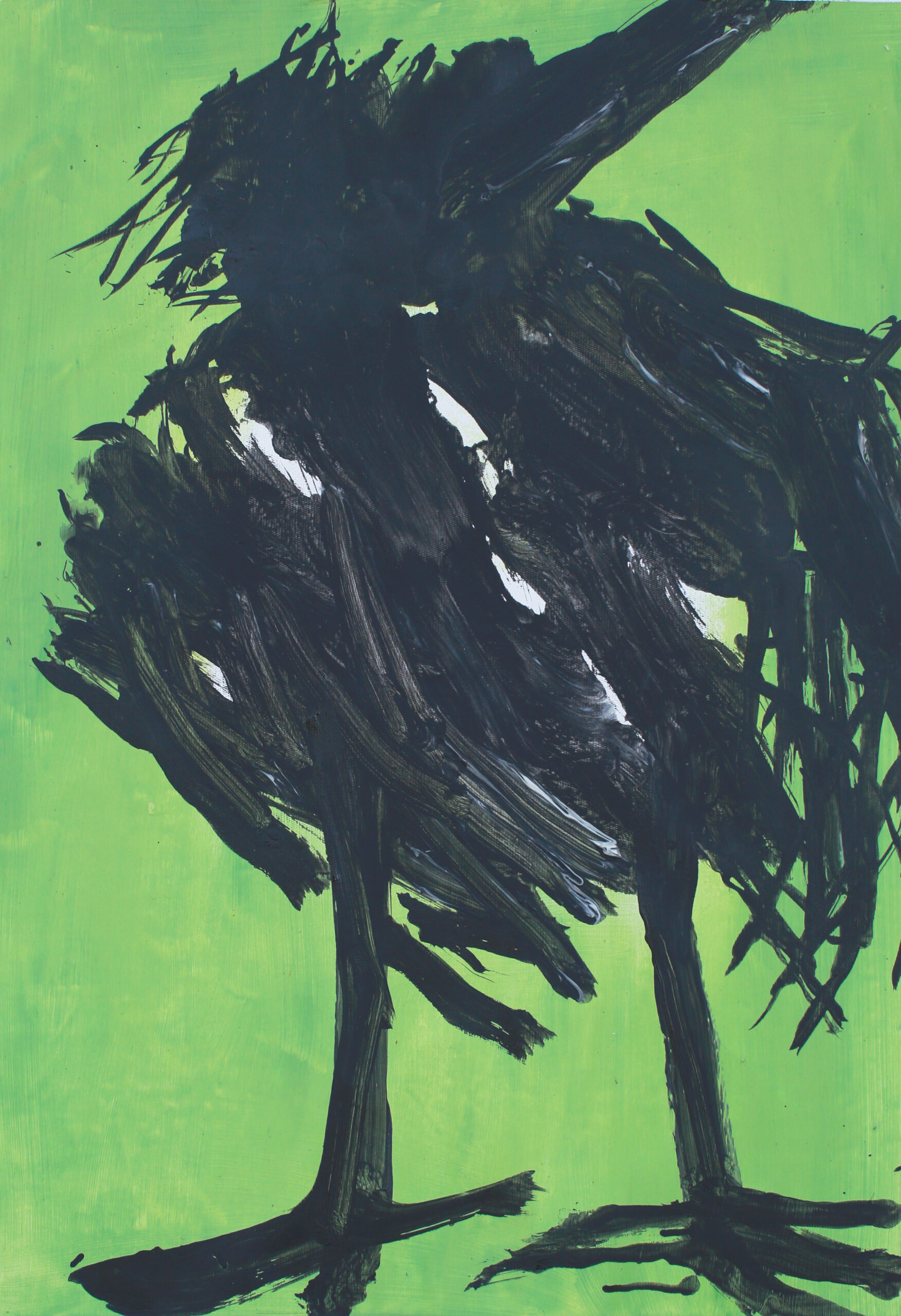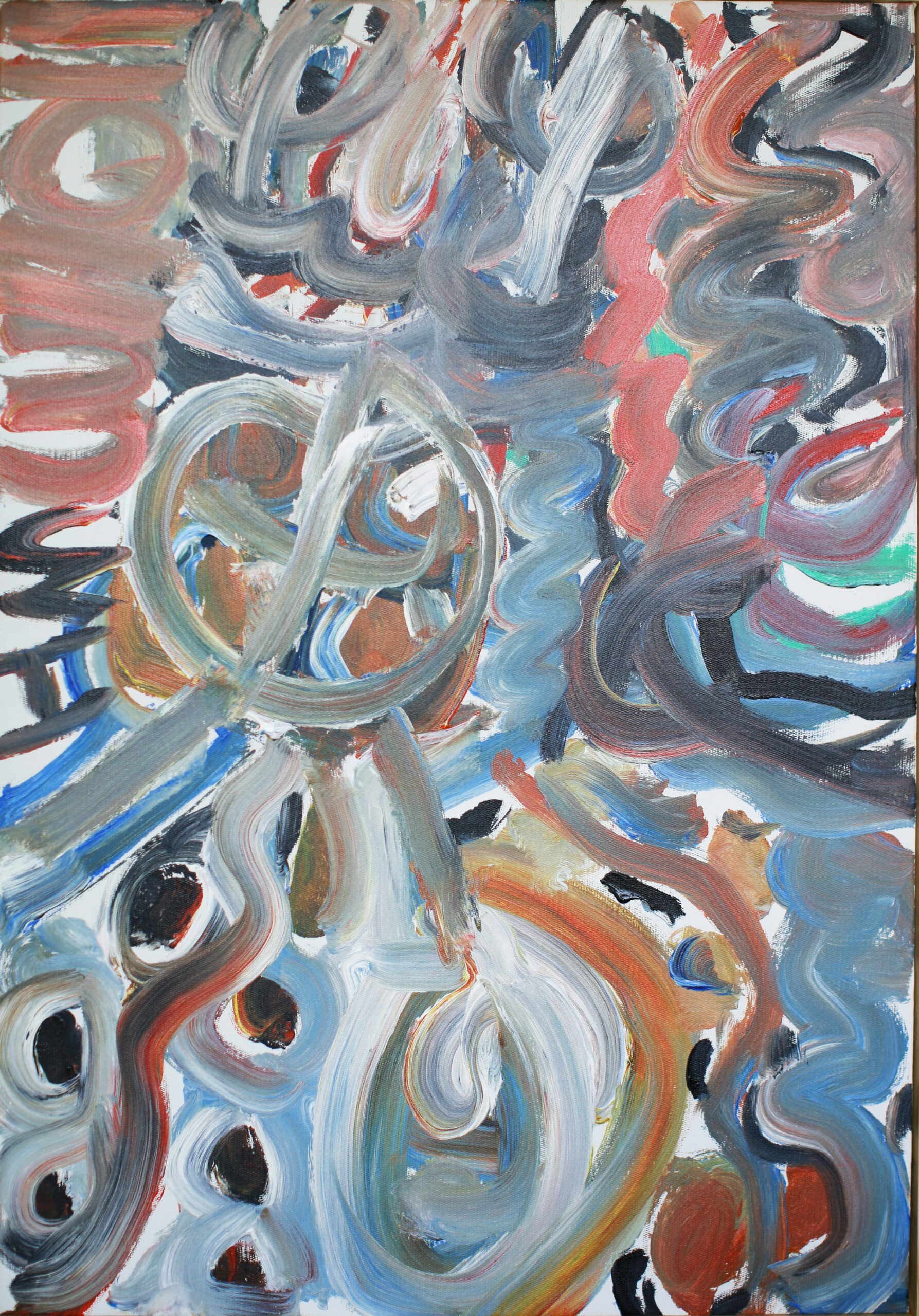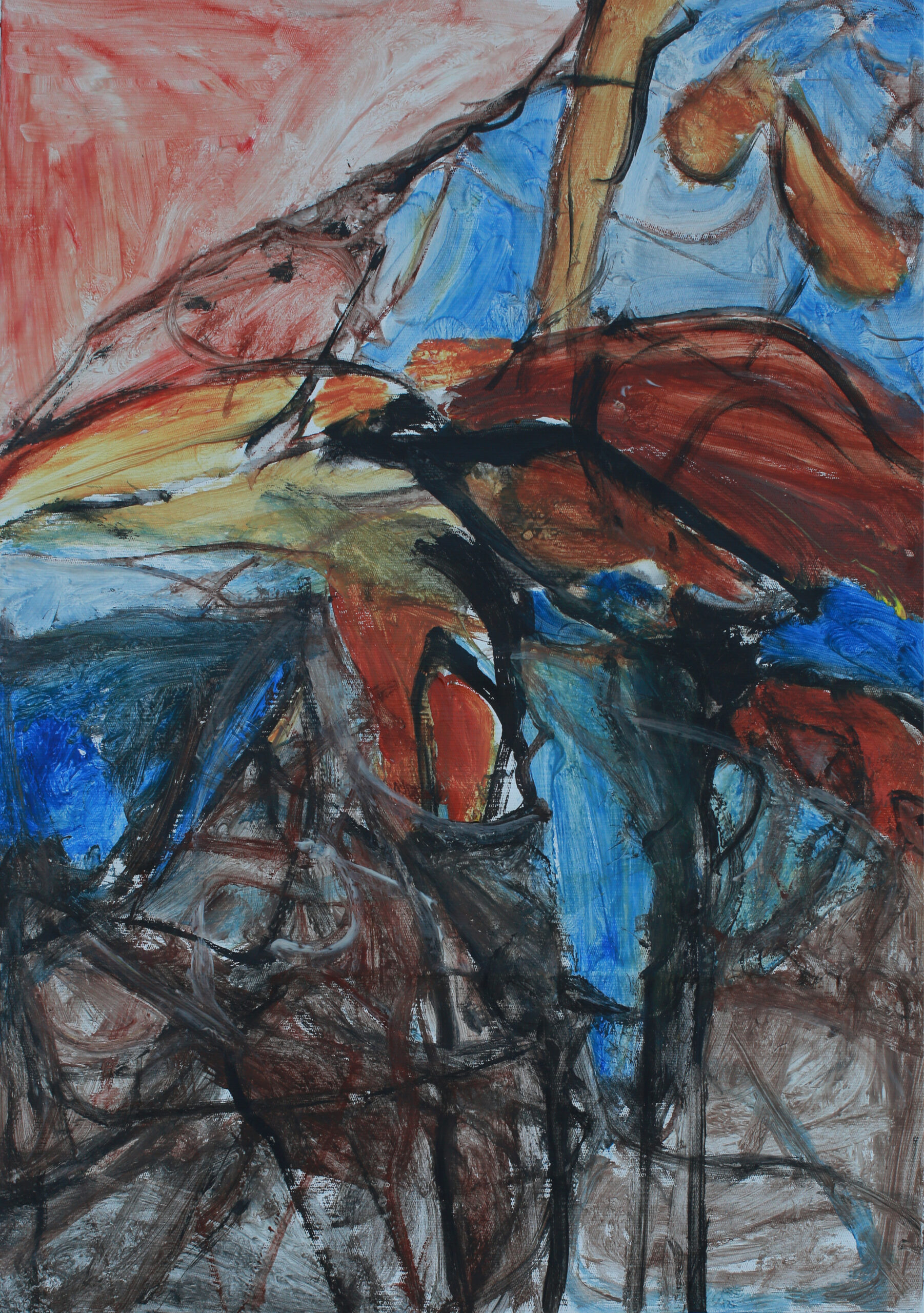
The most distinctive feature of Wang Hao’s art is his successful creation of a state of ambiguity described as “seemingly abstract, yet seemingly representational; resembling form, yet transcending form.” This style is primarily manifested in the following aspects:
A Modern Expression of the Unity of Calligraphy and Painting: Benefiting from profound calligraphy skills cultivated since childhood, Wang Hao creatively “applies the experiential perception of writing to painting and the experiential perception of painting to writing.” His ink wash lines are not merely tools for shaping forms but are themselves independent aesthetic objects, imbued with calligraphic quality. The speed, density, dryness, wetness, and rhythm of his lines not only construct the morphology of objects but also convey the artist’s immediate emotions and energy, giving the visual experience a sense of being “thoroughly enjoyable and delightfully spirited.”
Abstract Reconfiguration of Traditional Themes: Wang Hao shows particular adeptness at deconstructing and reinventing classic subjects such as flowers and birds. The objects under his brush retain the basic essence of their natural forms while undergoing a process of high-level refinement, exaggeration, and transformation, ultimately sublimating into spiritual symbols that carry personal emotion and philosophical contemplation.
Flowers and Birds: The birds he paints are diverse in form and unrestrained in brushwork, embodying a free-spirited attitude of “having shape but no fixed name, painted spontaneously without over-deliberation.” This approach results in a powerful visual impact, which one curator has appreciatively described as “quite captivating.”